4.5 years in one case
Illuvium
One brand across 3 games and everything around them.

I joined to design a staking app. 4.5 years later I owned the design of every surface the company shipped, and the team that made it.
Illuvium was building 3 games at once. An open-world creature collector, an auto-battler, a NFT collection game, and a city builder title. Different genres, different art directions, different teams inside the same company.
All of them had to feel like Illuvium, all of them had to be playable by people who, for some, had never opened a crypto wallet.
Everything I did there was a version of that problem:
how do you hold a visual identity together across surfaces that have every reason to drift apart, without flattening what makes each one good.
What I worked on
Brand
ILV and sILV2 token identity · Logo system across socials, Web and Merchandise · Brand guidelines · Launch moments · Merchandise
Product
Staking app · Game launcher · Marketplace · Wallet and asset flows · Onboarding
Games
UX/UI across 3 titles · In-game HUD and menus · Game design system · iOS/Android game UX/UI
Web
Marketing sites · Landing pages · Staking app · Vesting platform · Marketplace
Team
Design team from 2 to 5 · Hiring · Review process · Design system governance
01
A Design System that four games could actually use
Game UI resists design systems. Each title has its own art direction, its own camera, its own reasons to break a grid. The first version was one component library and one visual language, applied top down. Game teams overrode it constantly. It described what we wished were true rather than what shipped.
The version that worked split into two layers. A structural spine that was non-negotiable, covering spacing, type scale, interaction patterns, focus and input states. And a skin layer each game owned, covering colour, texture, frame treatment and motion. Teams got real authority over the surface, and players still moved between titles without relearning anything.

02
The launcher
The launcher was the only surface where all four games sat next to each other. It was where the coherence problem stopped being theoretical.
It carried more than installs: account and wallet, asset ownership, news, updates, and the first thirty seconds of a new player's relationship with Illuvium. I designed it to lead with play and keep the Web3 machinery available but out of the way, so the entry point did not read as a finance product.

03
Leading the team
I moved from Senior Designer to Lead to Head of Design in 18 months, which mostly meant learning where to stop designing myself. I hired for range rather than specialism, because a small team covering four games cannot afford anyone who only does one thing.
What I held onto: reviewing every surface before it shipped, and staying hands-on with the brand. What I let go of: being the person who made the files. The design system existed so decisions did not have to route through me.
04
Brand at the speed of a live community
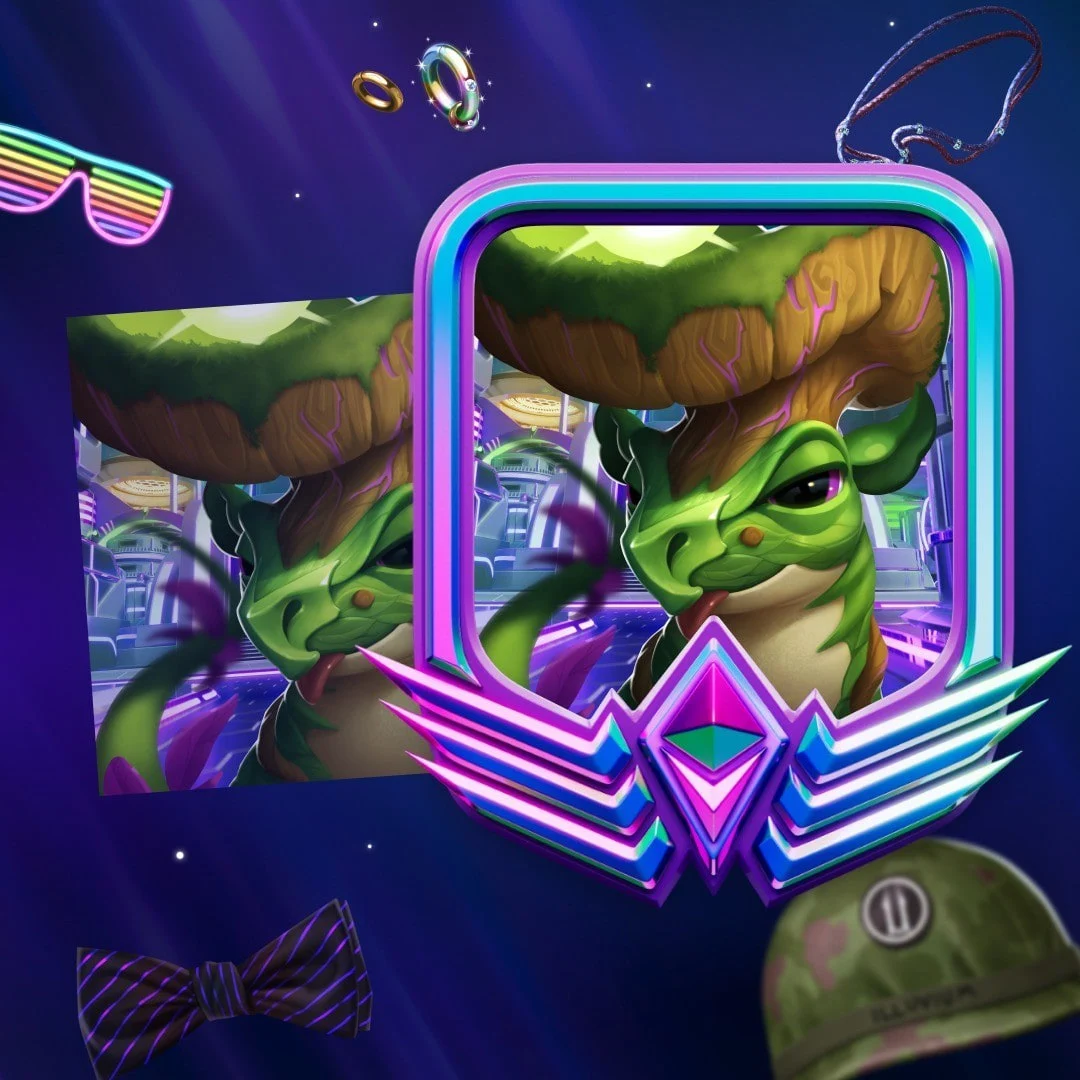
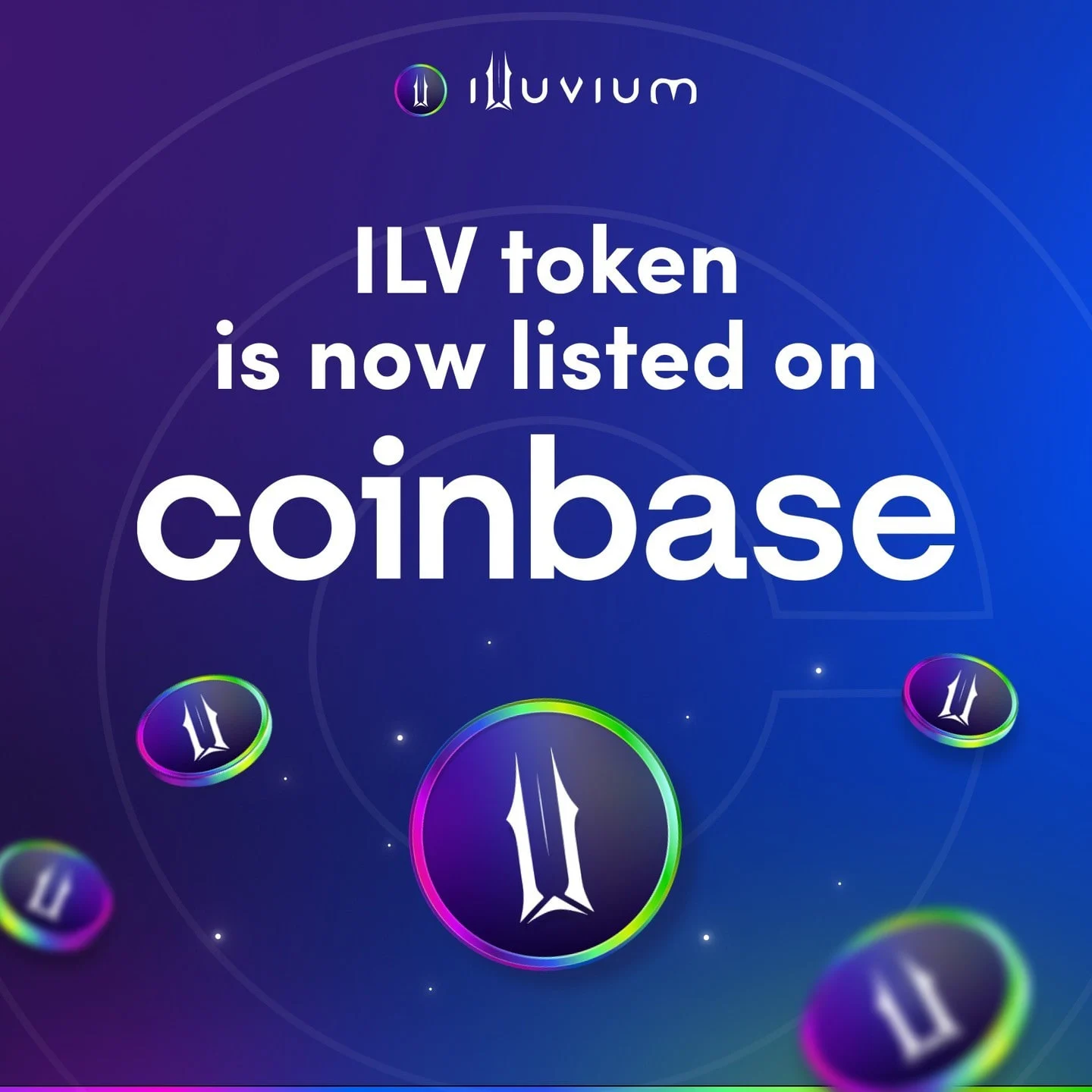
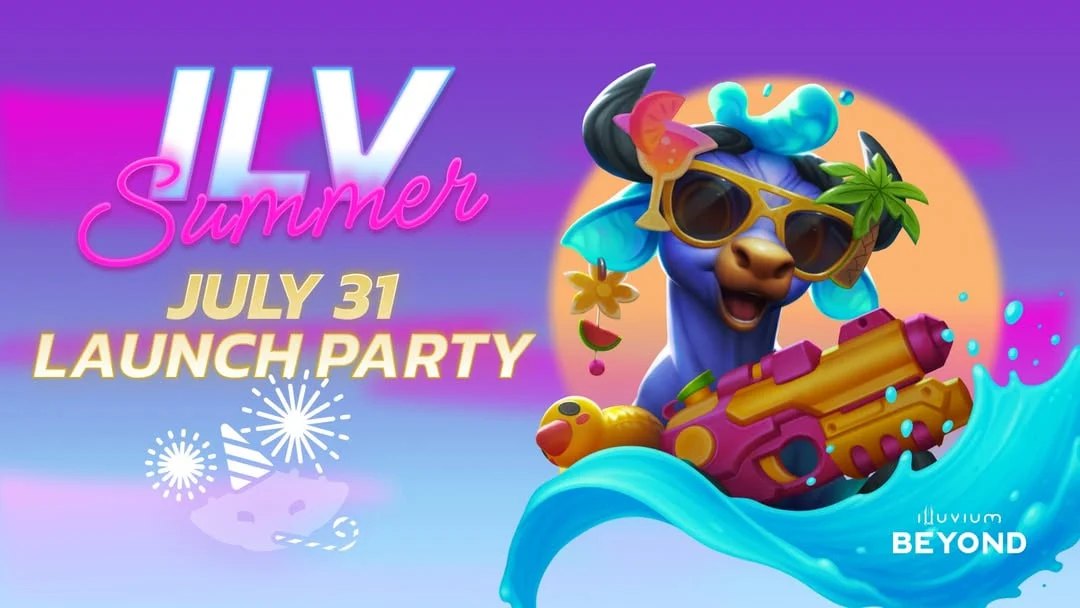
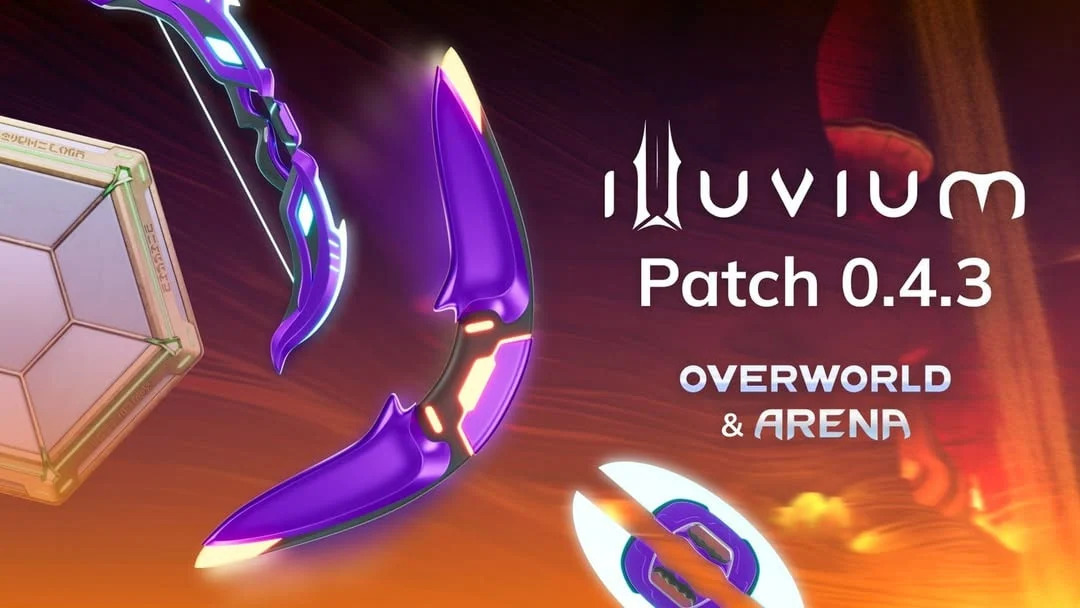
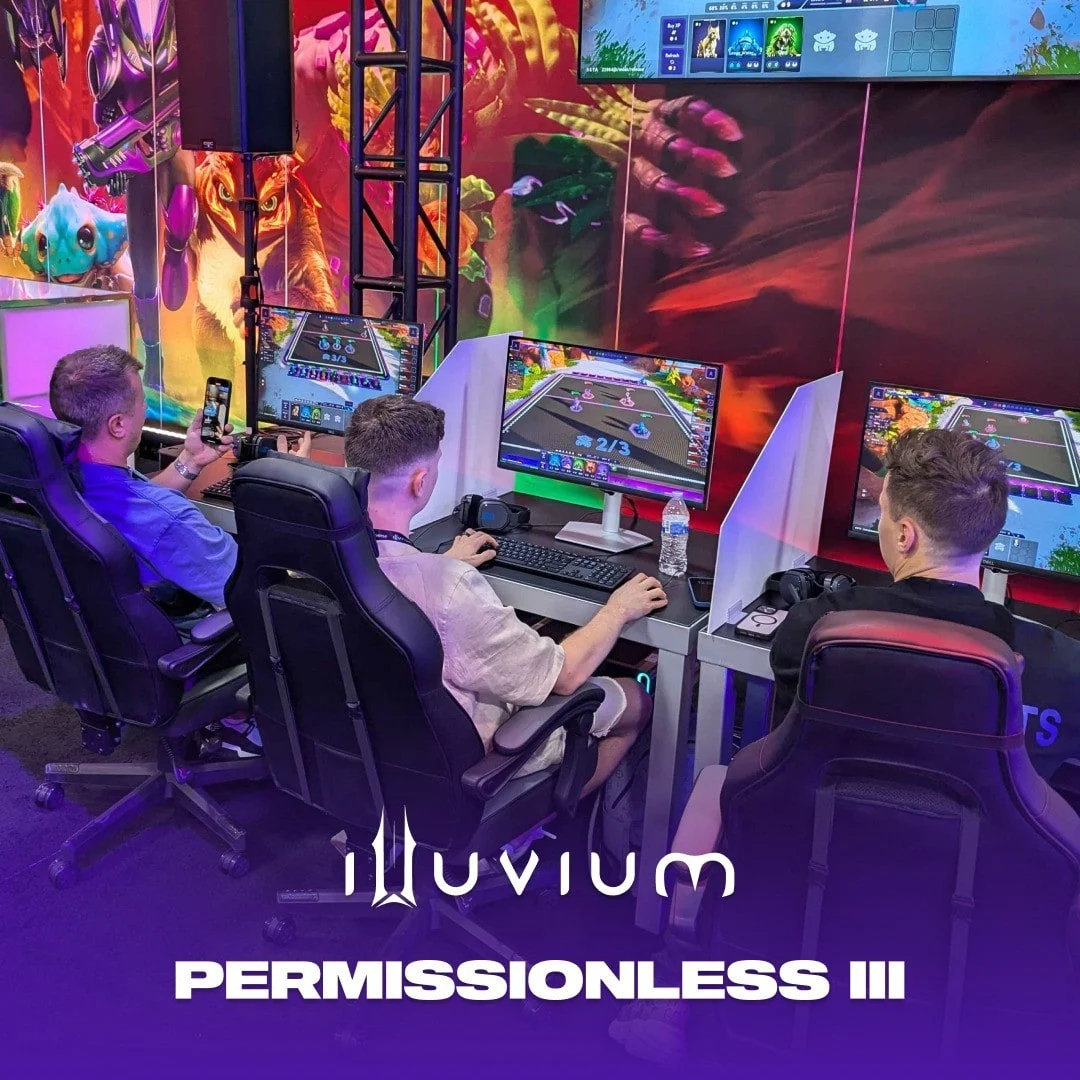
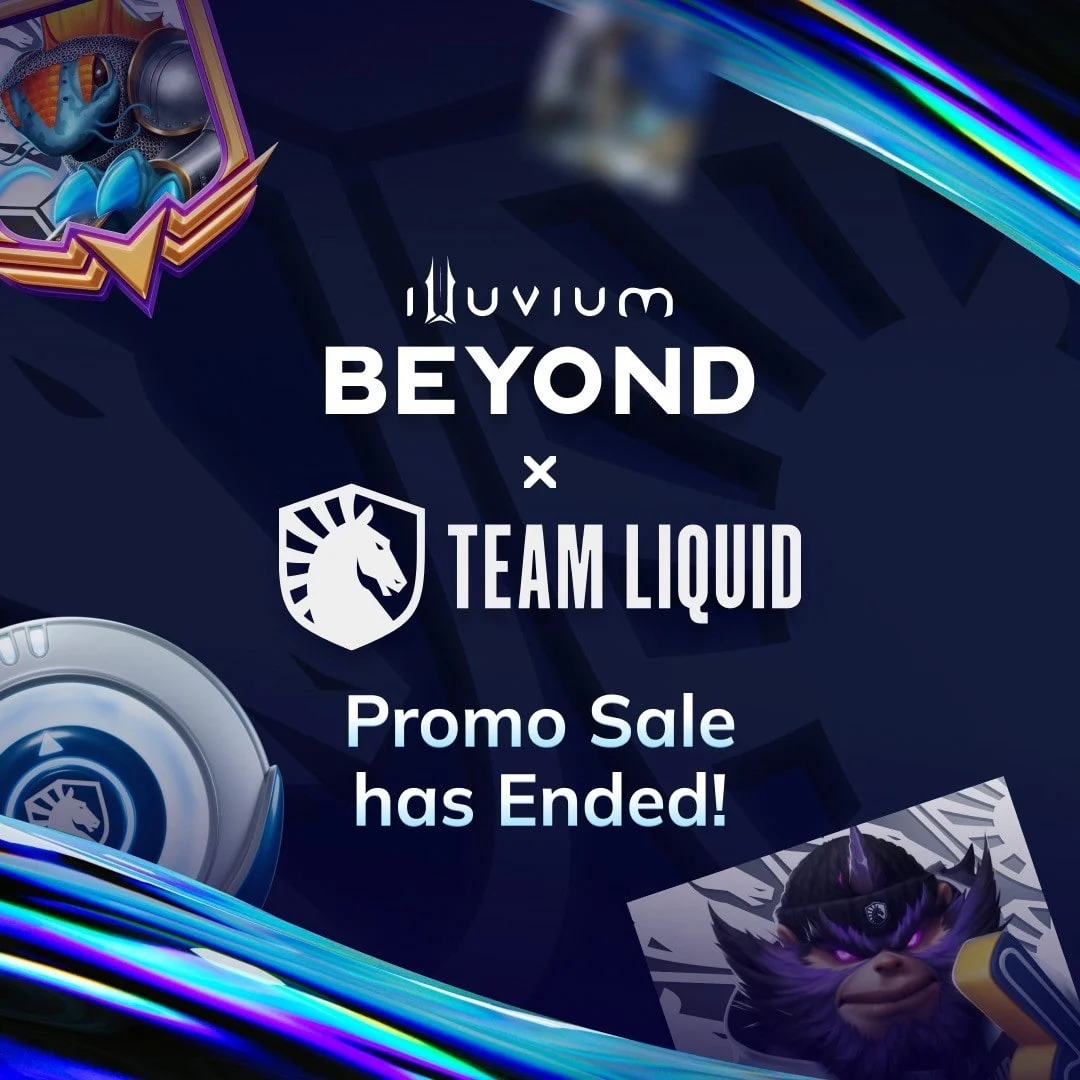
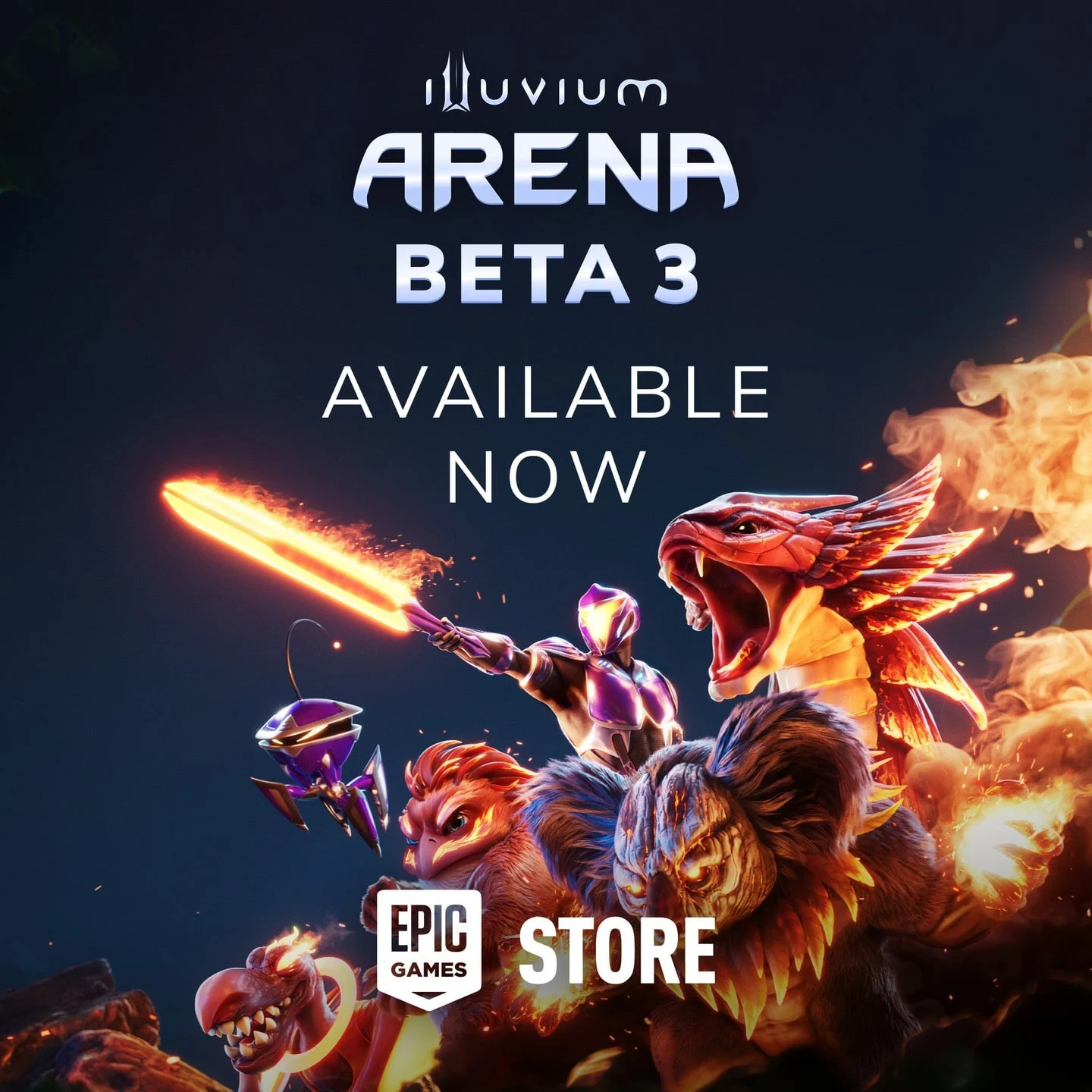
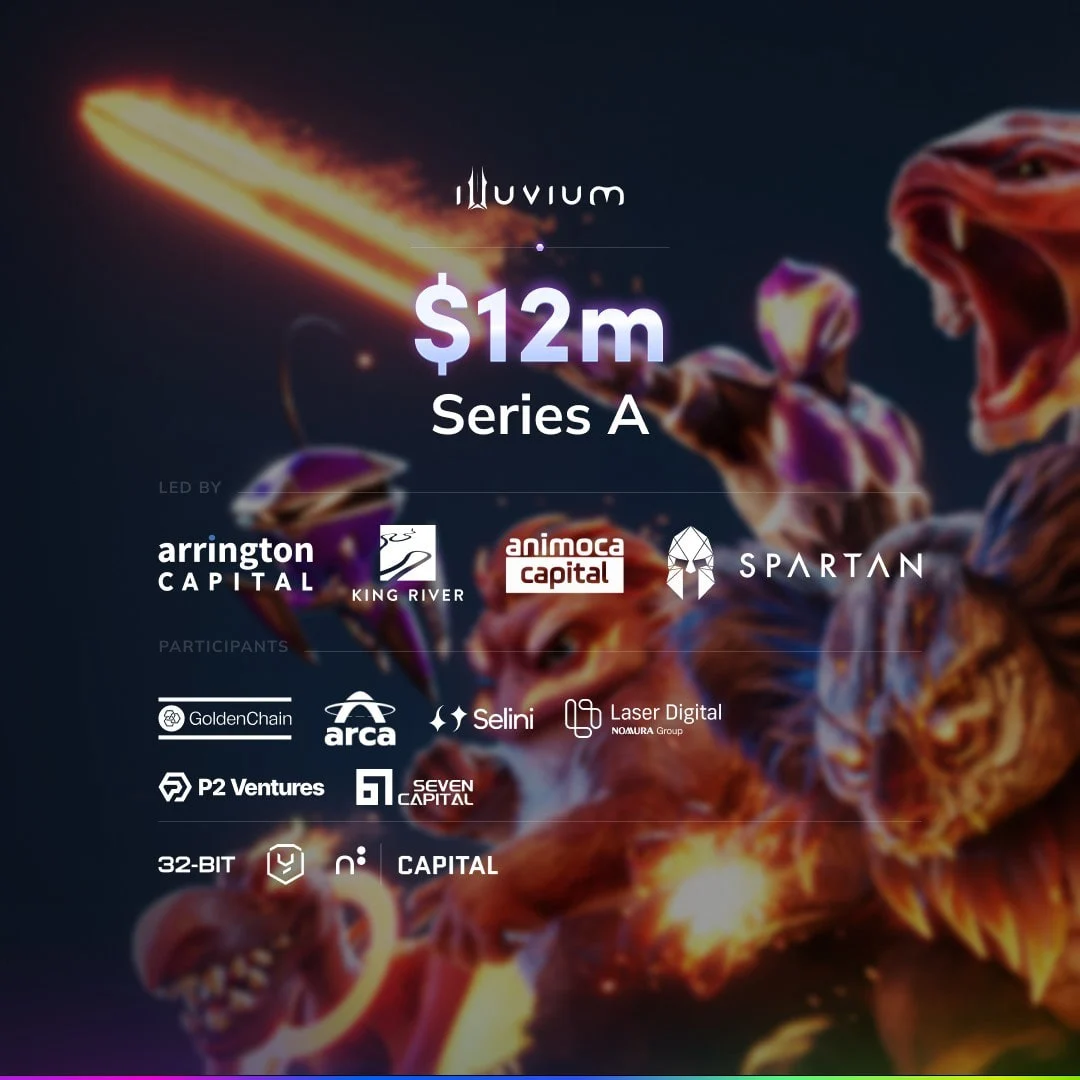
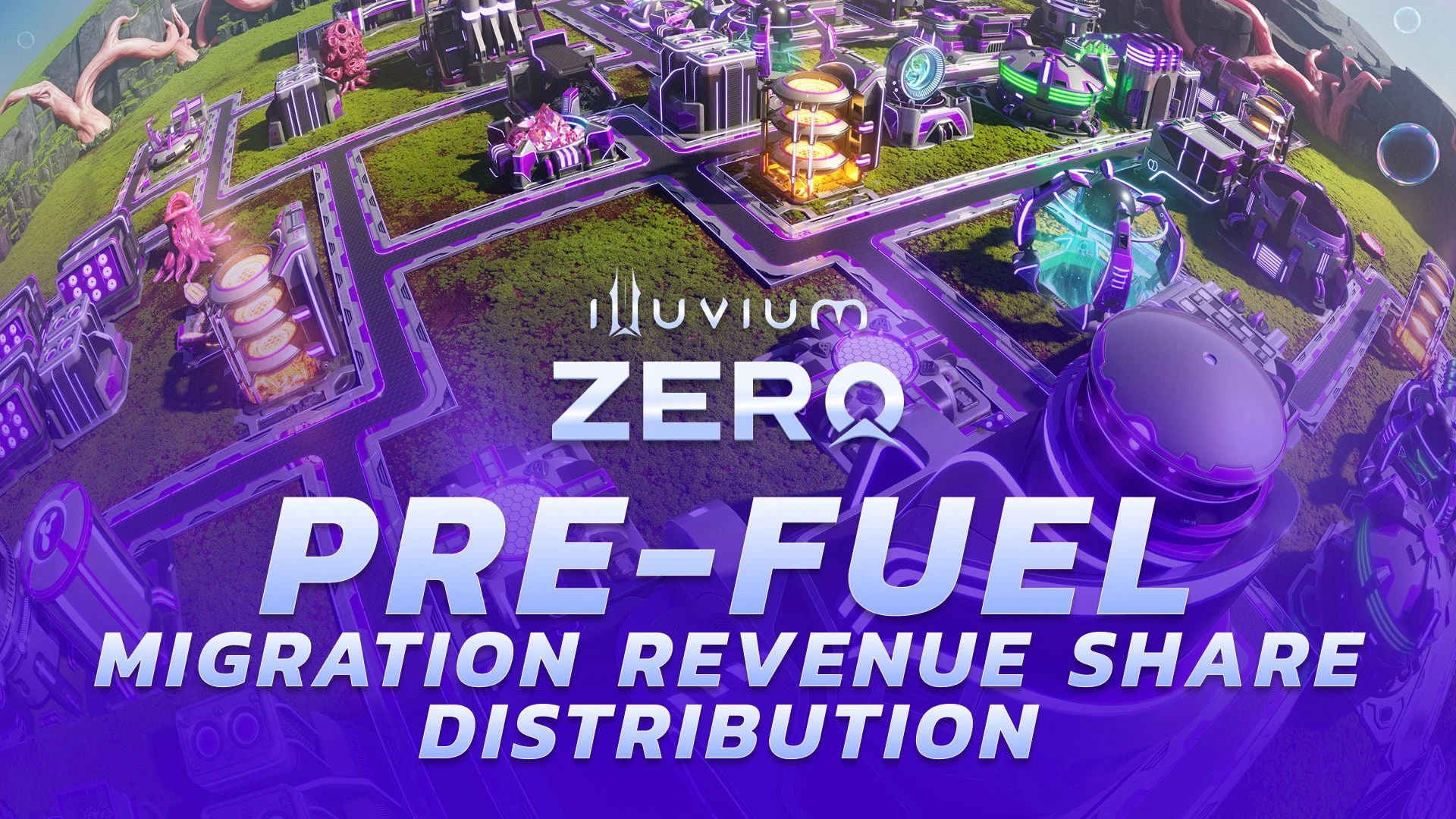
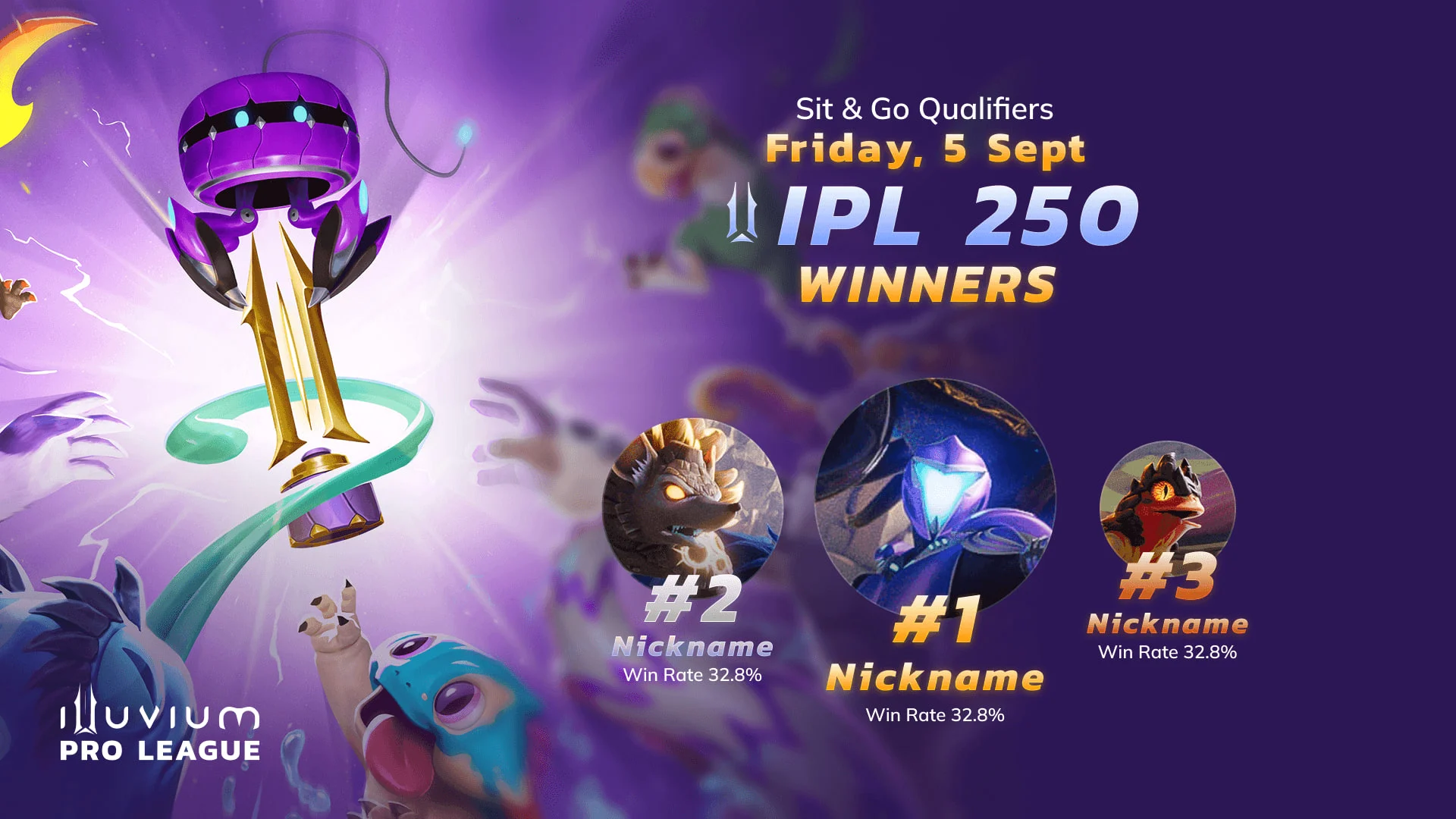
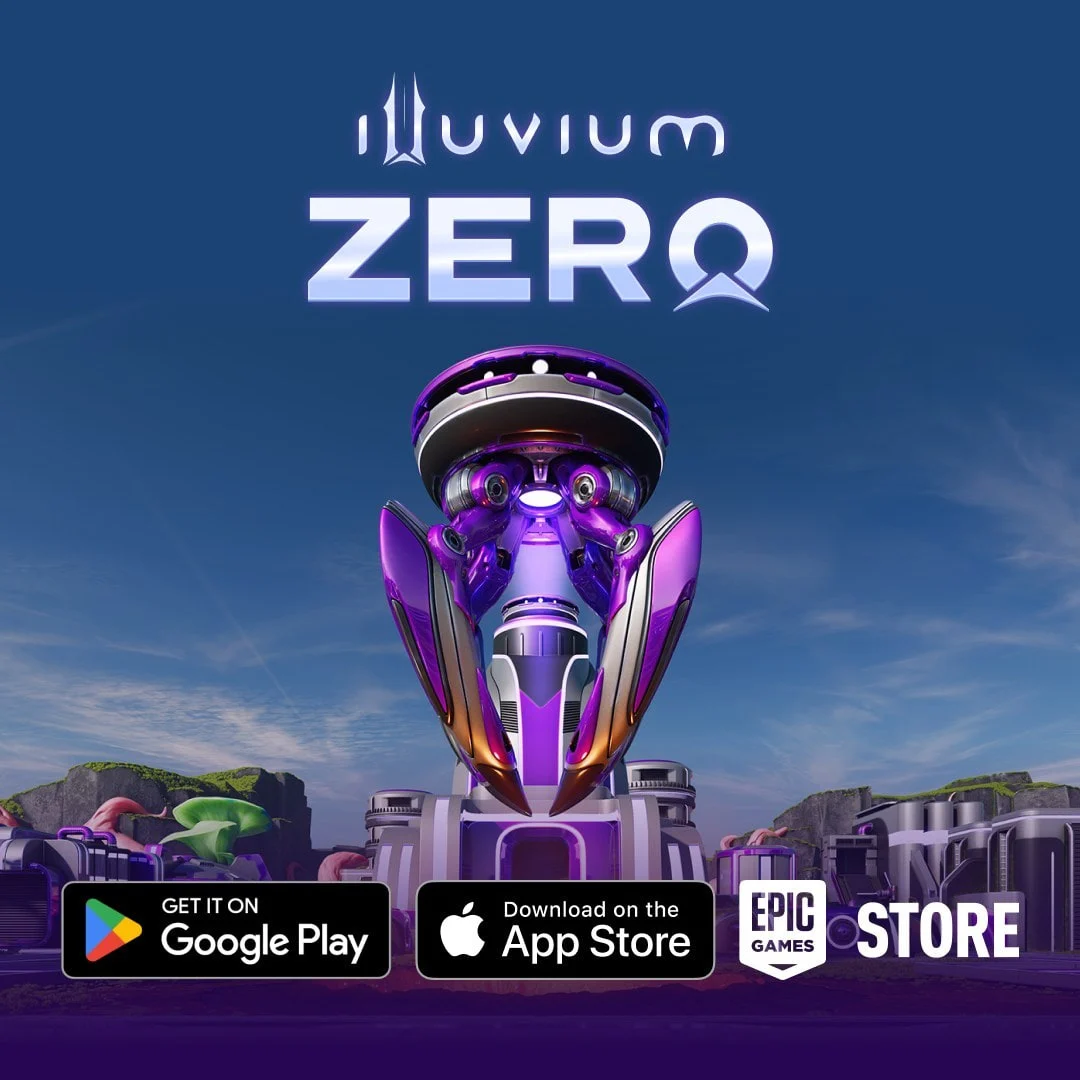
Alongside the product work I owned the brand as it was used publicly: launch moments, social assets, the marketing sites. In a game community the brand is not a guideline document, it is whatever people saw this week.
The volume was the constraint. I built templates and asset kits so the team could produce quickly without every post becoming a design review, and kept a small set of things genuinely fixed: logo behaviour, type, the way game art was framed.
05
They asked me back
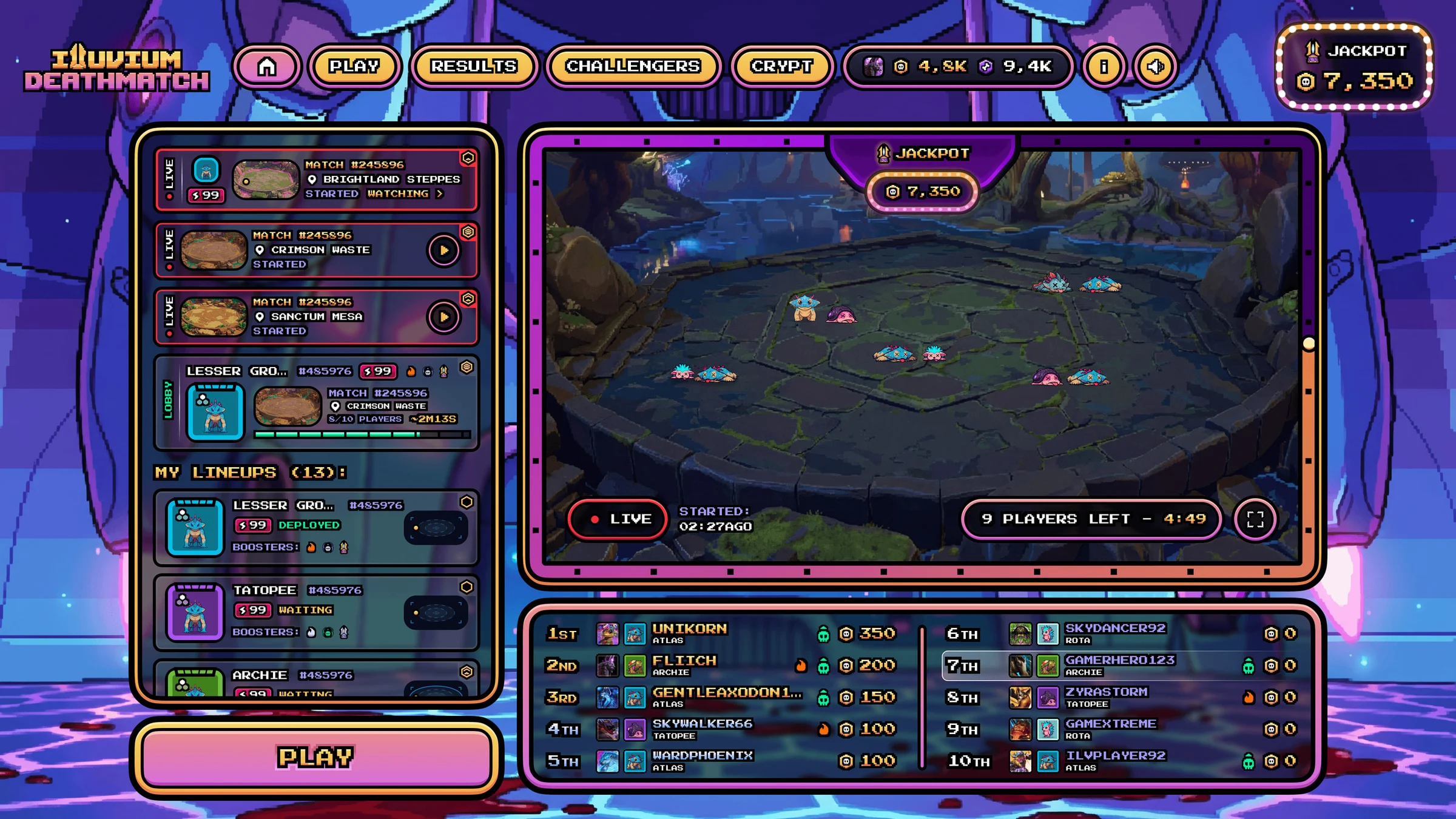
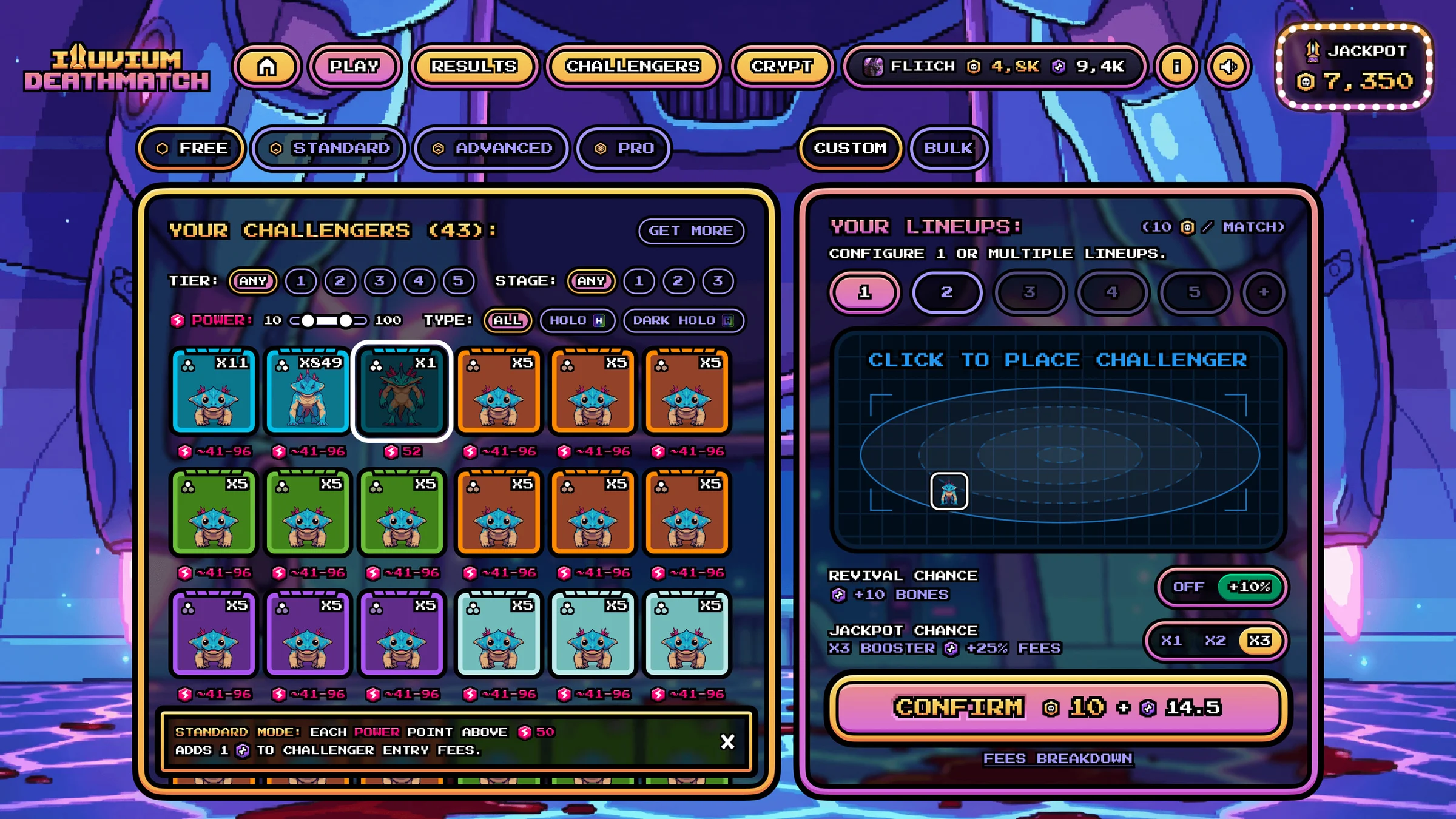
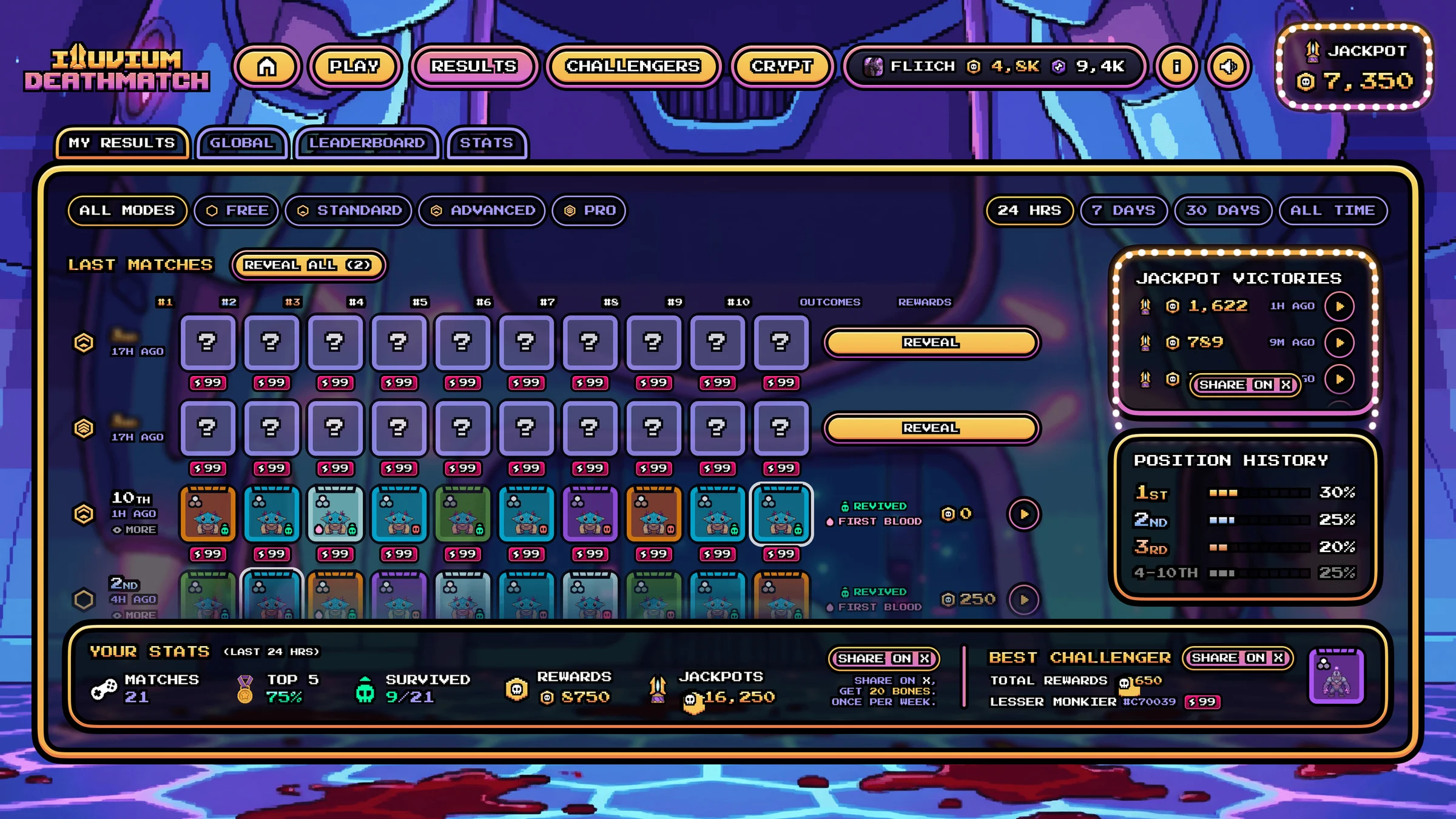
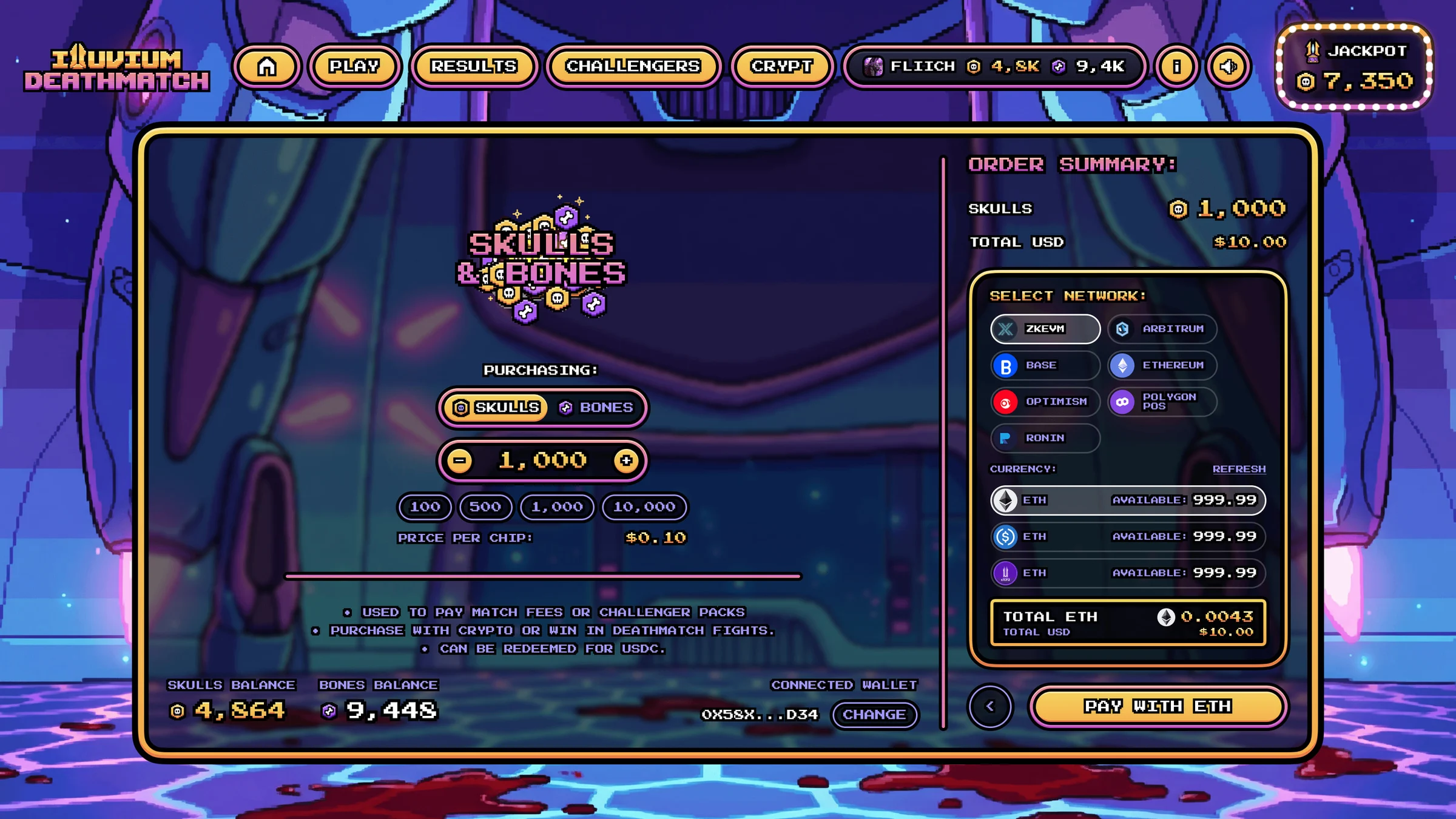
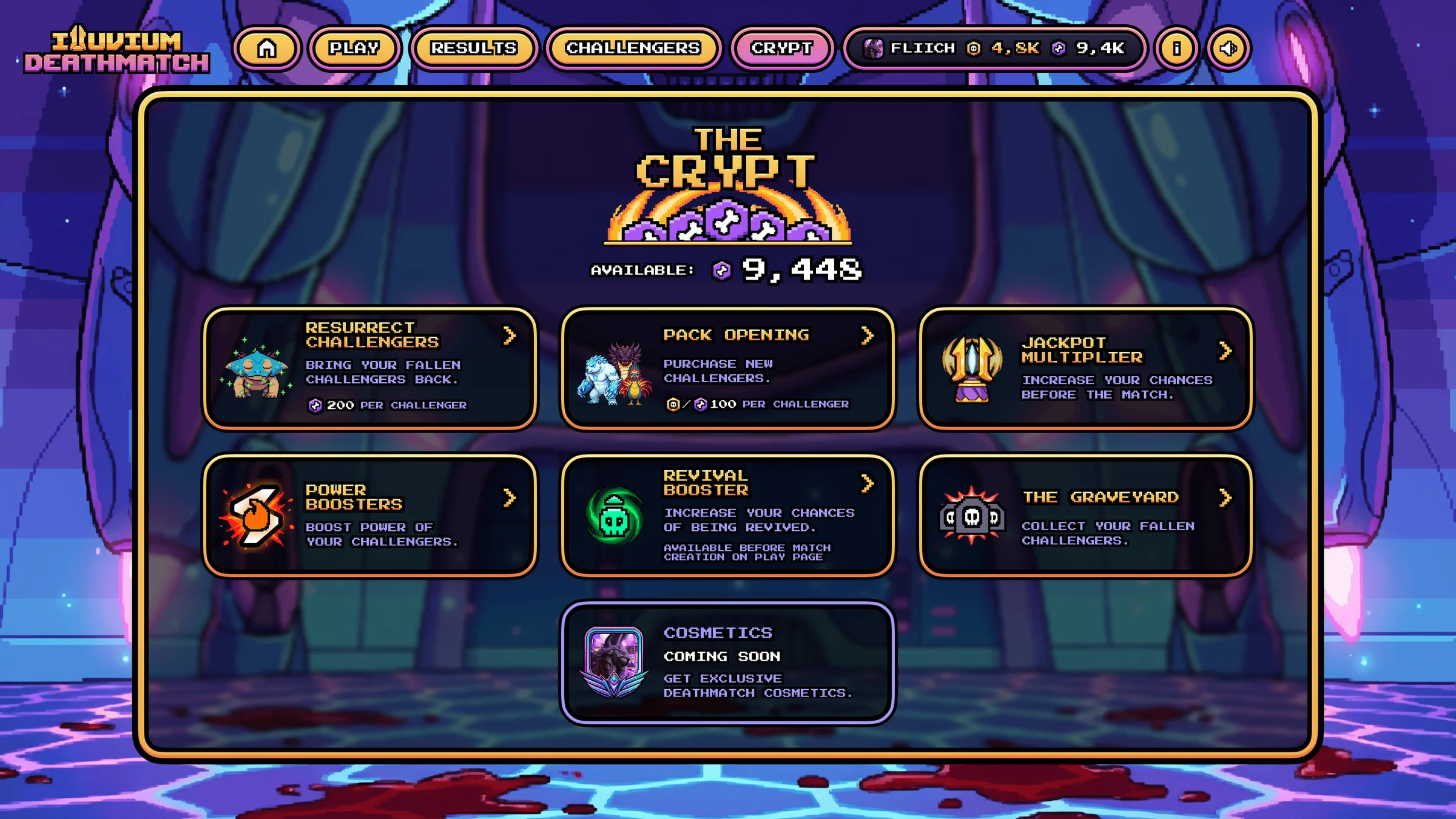
I left in October 2025. In December the founders brought me back to work on Illuvium Deathmatch for a few months, handling branding, art direction and product design for the new title through June 2026.
Swipe to see more →